Our research
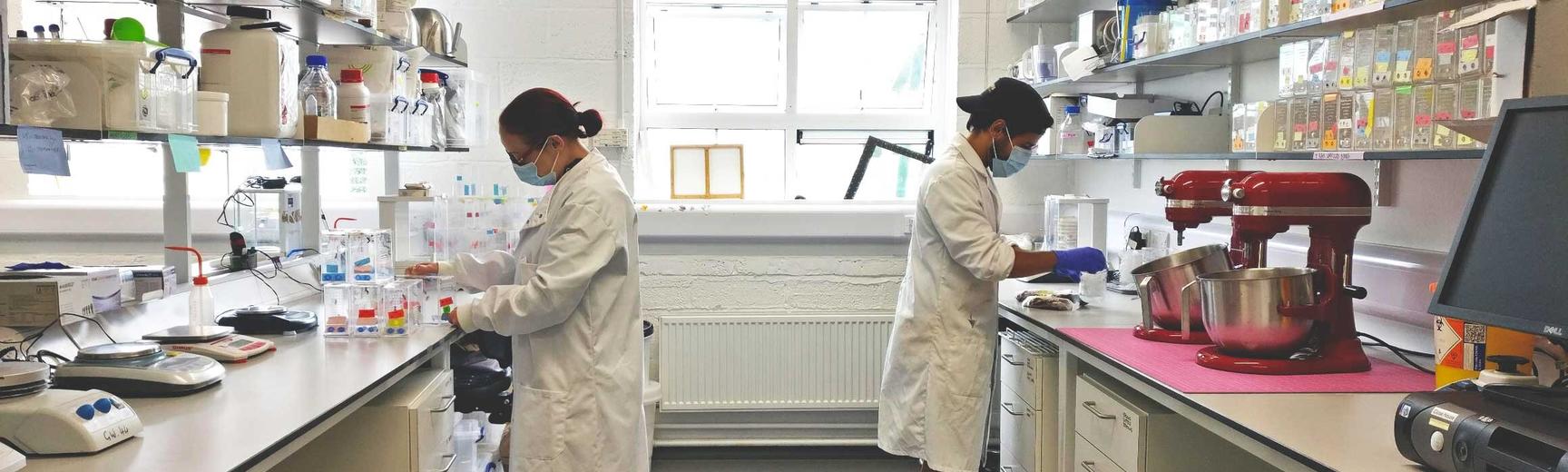
We have state-of-the-art facilities for recording the electrophysiological responses of different bee species to stimuli, mainly taste. We use this to study how taste is encoded by gustatory neurons and whether bees can taste (and learn to avoid) certain compounds, such as harmful pesticides.
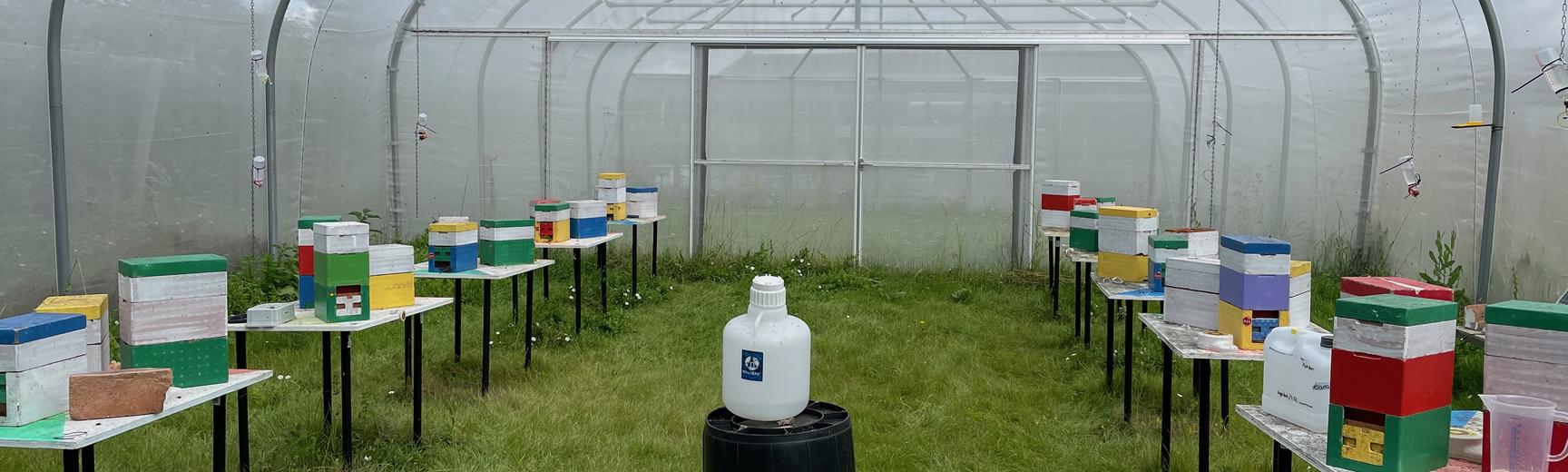
Bees are able to remember the location and yield of many different flowers, so that they can return again and again to the most profitable ones. Using custom-built equipment, such as our free-flight arena and camera-monitored feeding cages, we can study eg how different nectar compounds affect bees' ability to memorise the best flowers, how they choose between different rewards, or even whether they can become "addicted" to certain compounds.
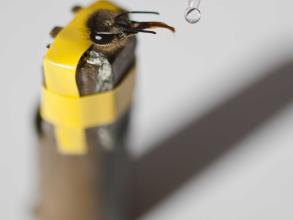
Floral nectar and pollen contain all essential nutrients for bees. Among these are sterols, which are lipids that are vital for building the hormones that guide development. We are working to better understand how bees regulate their nutritional intake to achieve a balanced diet and how malnutrition affects the colony.
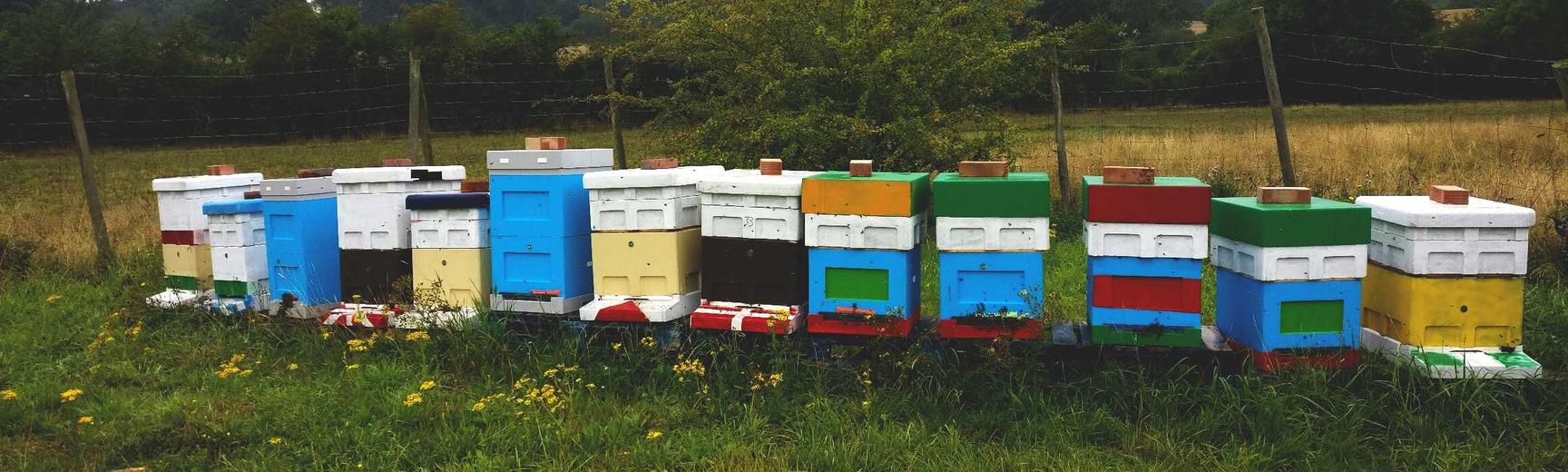
Honeybees and bumblebees are essential for pollinating many commercially-grown food plants, including in greenhouses. We want bees in these systems to be as healthy as possible to provide efficient pollination. By monitoring colonies with microphones and cameras and analysing the data with machine learning, we can develop new ways to support their health and improve pollination performance.